What’s Really in the Products You Bring Home?
Food and household products can be sold for years before testing reveals hidden contaminants.
Unplastic Labs uses independent testing to reveal what labels can’t: microplastics, PFAS, pesticides, heavy metals, and other contaminants.
100% Consumer-Funded
Accredited Testing
Member-Directed Investigations
No Corporate Money
Trusted for years. Questioned later.
What Have We Already Been Exposed To Without Knowing?
You can read every ingredient, avoid heating plastic, filter your water, and pay more for products labeled “organic” or “non-toxic.” But none of those choices can reveal a contaminant that was never listed or never measured in the finished product.

Johnson & Johnson denies wrongdoing and pulled its talc baby powder worldwide in 2023. Juries have awarded over $2 billion to plaintiffs alleging it contained asbestos and caused ovarian cancer and mesothelioma. The company has tried to resolve the claims through subsidiary bankruptcy filings, which courts have rejected.

In 2024, the EPA set the first federal limits on PFAS, the "forever chemicals" found in drinking water. The limits cover the drinking water of more than 100 million Americans, but water systems are not required to fully comply until 2029. In 2026, the EPA proposed rolling back several of those limits.
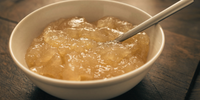
In 2023, WanaBana cinnamon applesauce pouches for children were recalled for lead and chromium contamination. The FDA said the lead was likely intentionally added to the cinnamon to increase its weight and value, a form of economic adulteration. Hundreds of U.S. children were reported affected.

The FDA banned Red Dye No. 3 from cosmetics in 1990 for causing cancer in animals, but kept it legal in candy and food until 2025, 35 years later.
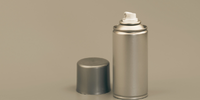
In 2021 and 2022, independent testing found benzene, a known carcinogen, in batches of sunscreen, dry shampoo, and deodorant, forcing recalls from Neutrogena, Coppertone, and Old Spice.
Some contaminants never appear on a label. Other substances are listed but remain in use while the evidence moves faster than the rules.
Microplastics in food. PFAS in food packaging. Pesticide residues in fruits and vegetables. The list goes on. Reading the label may have felt like doing your part, but it was never the same as knowing what was actually in the finished product. Too often, those answers come to light only after ordinary products have been bought, used, and trusted.
So the unsettling question remains: what have you already eaten, put on your skin, or brought into your home while assuming someone had checked?
You Shouldn’t Have To Guess.
Most people are not asking for a perfectly toxin-free life. All they are asking is for a place on the grocery-store shelf to mean that a product has been checked for substances that could harm them. Instead, they are left wondering whether reaching for one product over another could expose them or their family to industrial chemicals and other contaminants.
Our founding team thought this was going to be a microplastics project. But research into plastic led us to phthalates and PFAS. Then to pesticides and heavy metals. Each question wandered into the next.
We soon realized the problem was no longer just what might be present in a product. It was why consumers were expected to trust a system that can lag years behind emerging evidence. Why are the same products made with different ingredients in Europe? Why does the FDA rely on the GRAS system? How did an agency designed to protect consumers become so closely entangled with the industry it oversees?
Wanting Evidence Is Not Paranoia.
You are not unreasonable for wanting more than a reassuring label, a familiar brand, or a marketing claim. Not every detection is a reason to panic, and not every headline means the worst. But that is exactly why evidence matters.
You can Google every product, ask AI every question, or scan everything with an ingredient-scanning app. But all these tools depend on information that already exists. They cannot reveal what was never disclosed or measured in the finished product. When the evidence does not exist, the answer has to come from testing.
This is where Unplastic Labs comes in.
Independent testing, funded by members. No corporate money.
We Answer To Members. No One Else.
No Individual Can Test Everything. But Together, We Can.
Independent laboratory testing is expensive. Most people cannot personally send dozens of foods, drinks, and household products to accredited laboratories.
But members can fund that work together.
Unplastic Labs gives ordinary consumers access to independent product testing, a voice in what gets investigated, and clear findings they can use. The work is funded by members, not by the companies whose products are being examined.
Together, we can replace more assumptions with evidence and begin building the independent record consumers should already have.
You Bring the Question. We Do the Work.
You choose the question.
Members submit the food, drinks, and household products they want investigated. The most supported questions become the studies we run.
1
We build the study.
We define what the study needs to answer, develop the sampling protocols, and buy the products ourselves from ordinary stores. When relevant, we source products from multiple cities and locations to account for differences across the supply chain.
2
We put the products to the test.
We prepare the samples and have them analyzed using accredited laboratory methods appropriate to the contaminant being studied. The companies whose products are being examined do not fund the work or choose the samples.
3
You get an answer that helps you choose.
At the end of each research season, The Signal shows members what was found in each product, at what levels, and how the products compared on the question tested. It explains what the findings mean, what they do not prove, and which practical choices the evidence supports.
4
More Members.
More Answers.
Members shape what we test. The more members we have, the more studies we can run each research season. Every new member expands what we can answer for you.
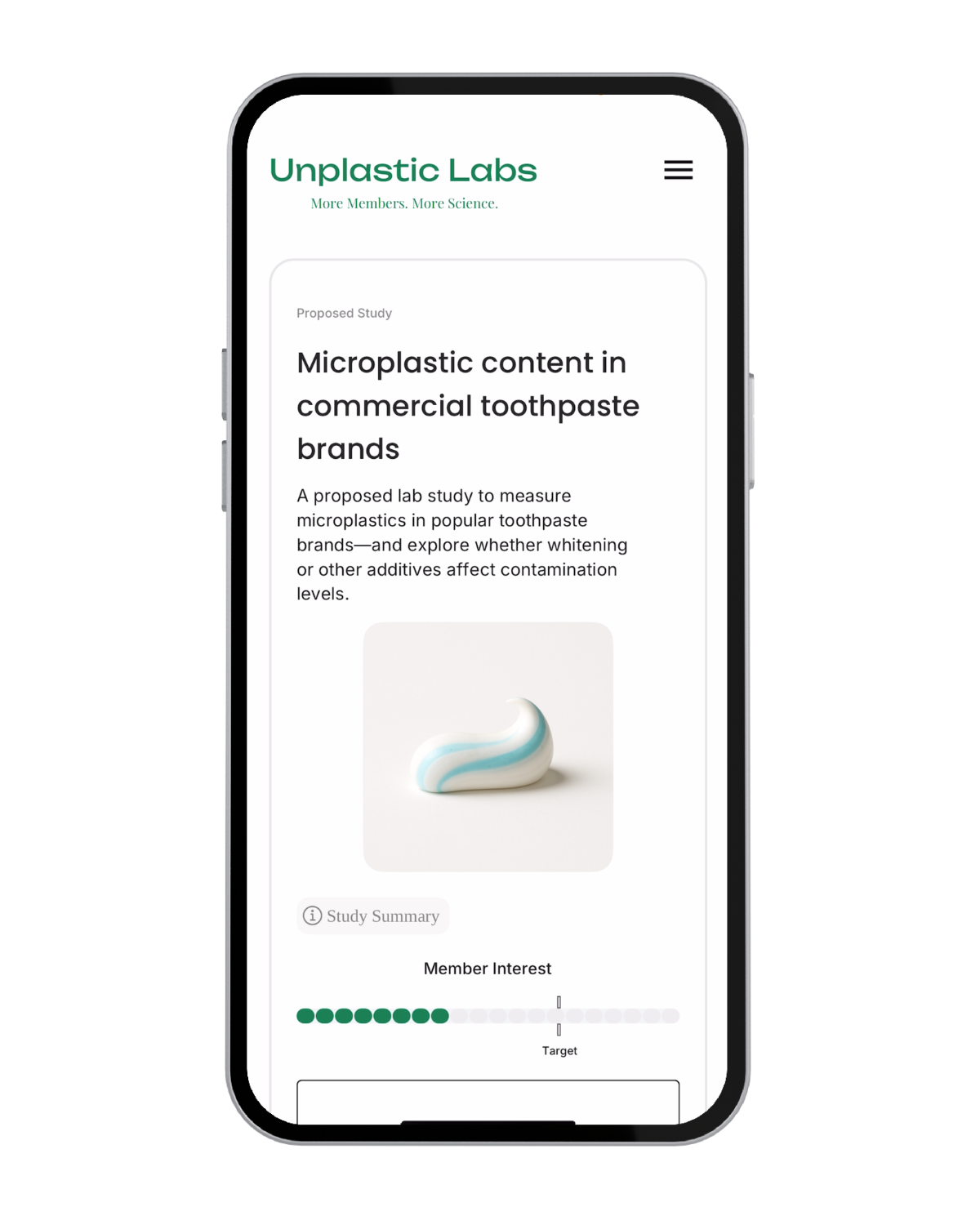
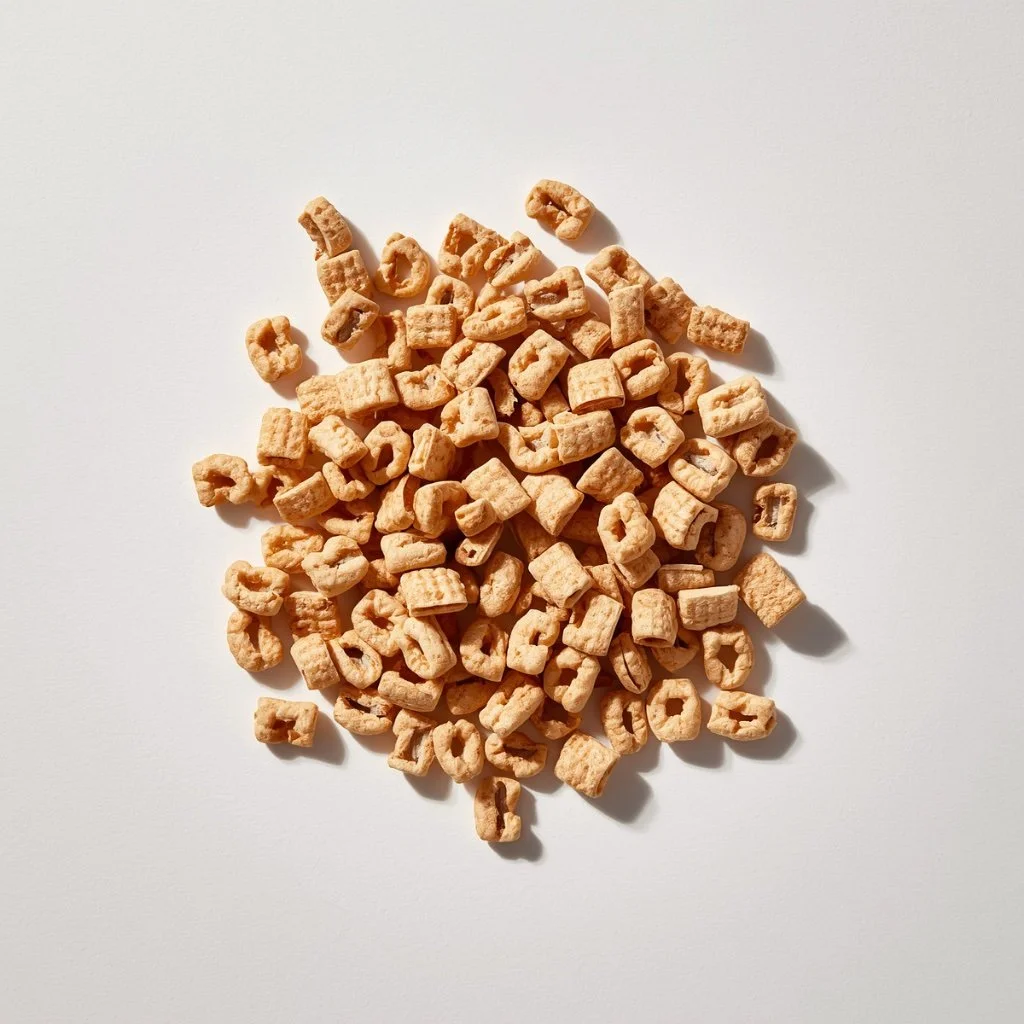
Join us in unlocking a third.
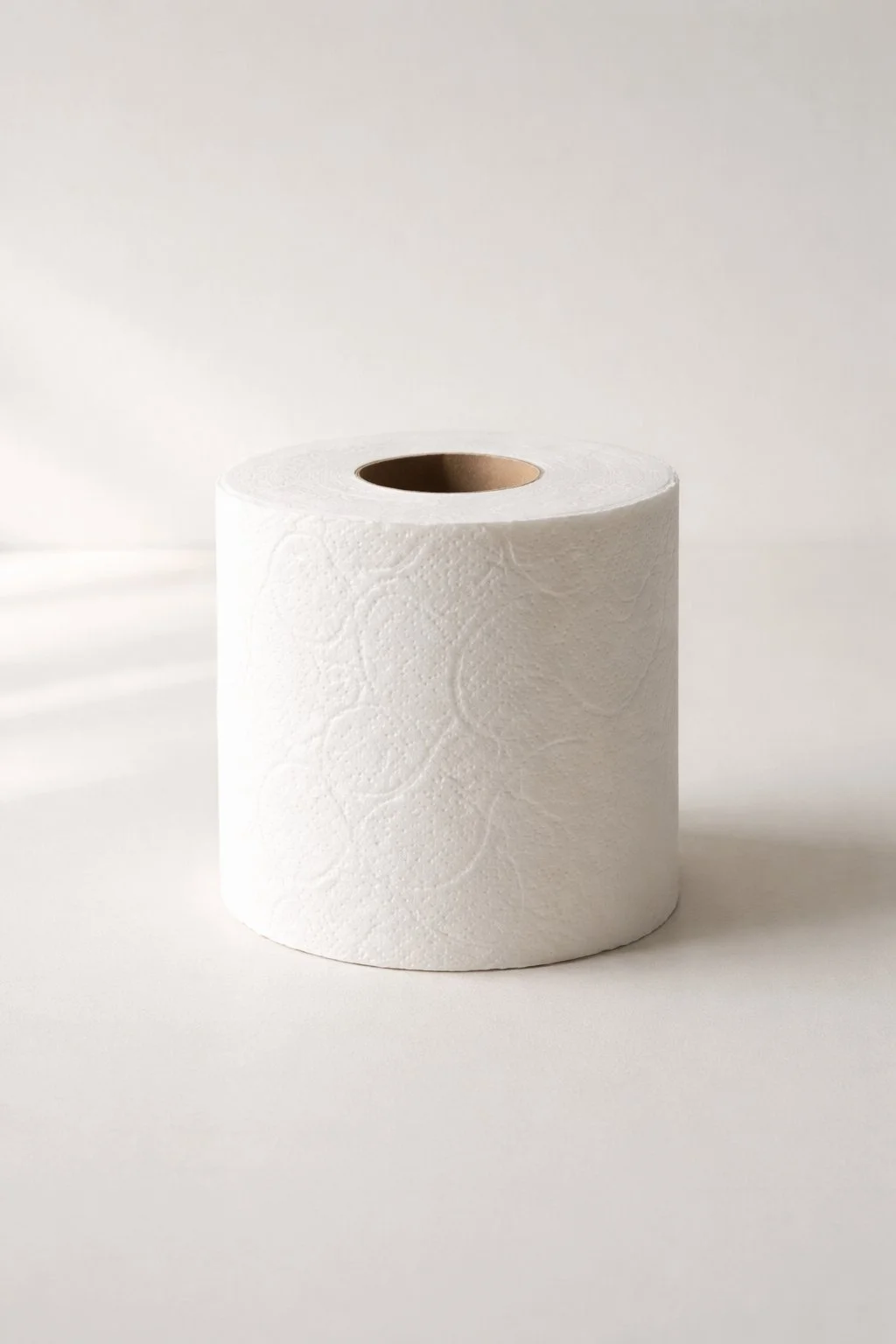
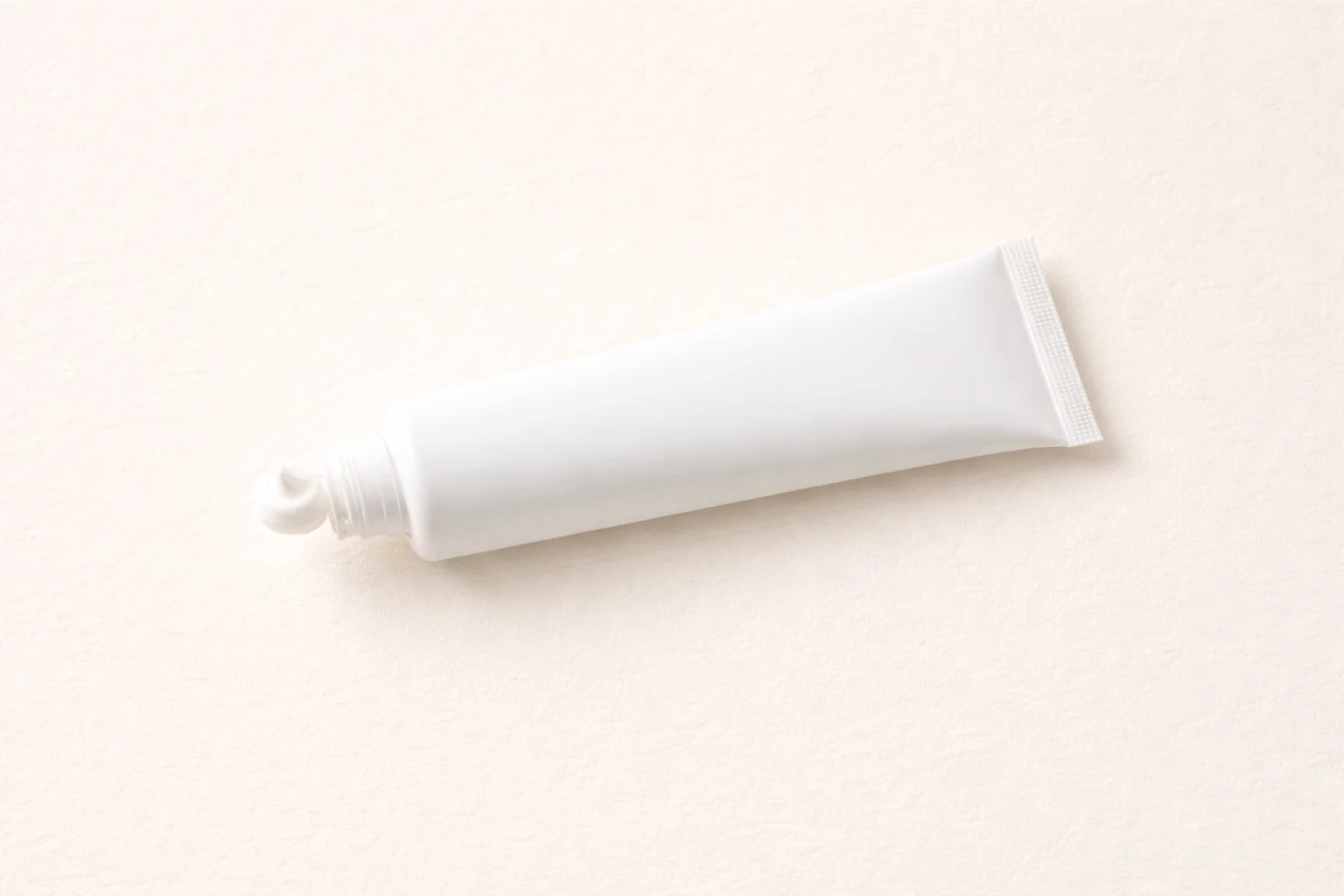
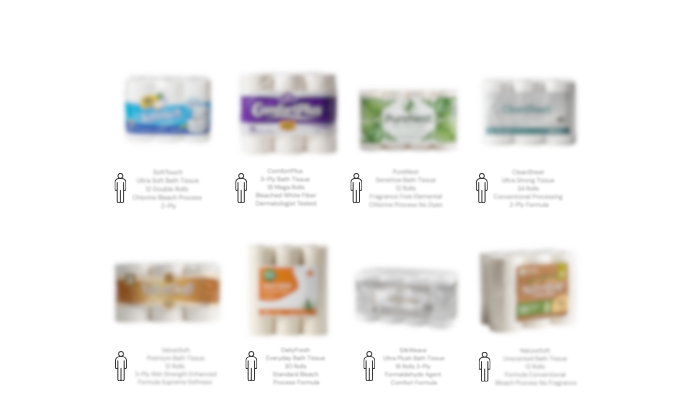
Researchers have detected PFAS and other chemical residues in toilet-paper samples. For a product used every day on intimate areas, the label offers little indication of what testing might find.
We'll compare widely sold conventional and bamboo brands to see what is detected, at what levels, and whether any products consistently test lower.
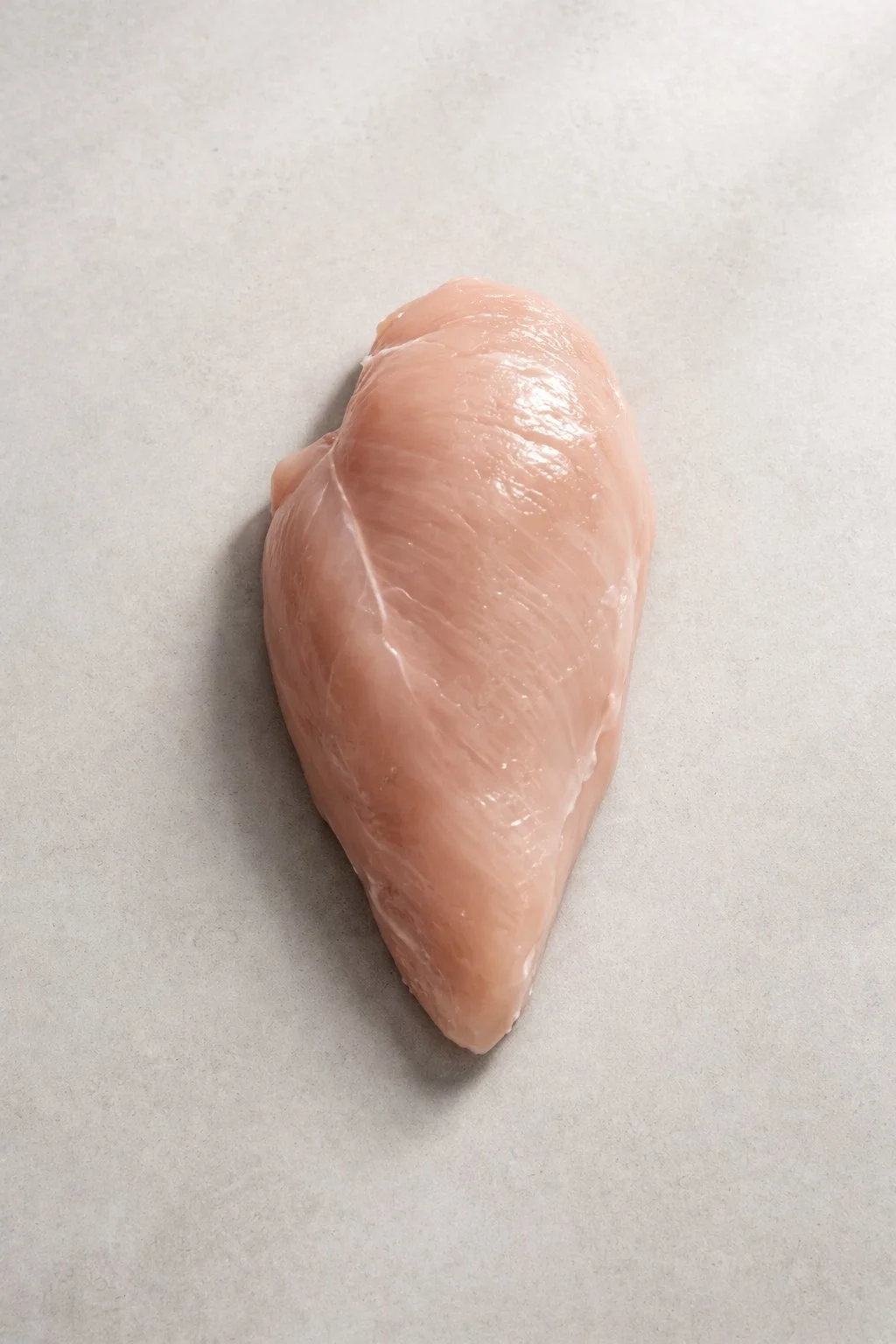

More Certainty. Less Mental Load.
Peace of Mind, Grounded in Evidence.
You should not have to choose between blindly trusting what is on the shelf or becoming paranoid about everything you bring home. The purpose of testing is not to give you more reasons to worry. It is to show you where concern is justified, where meaningful differences exist, and where the evidence does not support panic.
That is the difference between searching alone and having a dedicated research team investigate the question, design the study, put the products through accredited laboratory testing, and interpret the findings in the context of the broader evidence.
The result is something harder to find than information: confidence in what you choose, what you leave on the shelf, and why.
Doing Your Best. Still Left To Guess.

The Same Pattern Is Still Playing Out.

Products are bought, used, and trusted long before consumers have independent answers about what testing might find inside them.

GRAY = NO UNPLASTIC LABS TEST RESULT AVAILABLEMeaningful answers often arrive later through investigations, recalls, lawsuits, or new restrictions.
The next product questioned years from now may already be in your kitchen, bathroom, or child’s lunchbox. Until that testing exists, you are still choosing what enters your home without knowing which products deserve your trust.
Your membership can help unlock a third.
The science is expensive.
The membership is not.
Contaminant testing can cost $500+ per sample. Your seasonal membership is how we fund the testing together.
One payment covers this research season. You’ll never be charged automatically.
When the next season opens, you decide whether to join again.
Each season continues until its selected studies and final analysis are complete.
- Receive The Signal, the members-only report with the complete season findings
- Propose products and contaminants for consideration
- Help unlock more independent testing
- See what was found, at what levels, how products compared, and which practical choices the evidence supports
- Voting rights: vote on which studies advance
- Receive The Signal with the season’s findings
- Everything included with Research Member
For members who want to put more behind the mission. Set your own amount. The amount you choose helps expand what the community can study together in our search for answers.
One charge for the season. No auto-renewal. When Season 2 opens, you decide if you're in.
Perks we're considering for Patrons
- Tours of the lab
Before the next research season begins, members receive the current season’s findings together in The Signal. The work then continues into the next season with new questions, new studies, and more products investigated. When the next season opens, you’ll hear from us first and choose whether to join again.
Independent science, built for your home.
We're building the Library of Alexandria of modern contamination.
No agency tracks this. No brand publishes it. Members fund it, members shape it, and every research season adds another set of answers your family won't find anywhere else.
The system meant to protect American families is failing them. We aspire to become the source they can finally trust.
FAQ
-
A Research Season is a cycle of independent lab testing that runs until the science is done. This is independent lab testing on consumer products, funded and directed by members.
Here's how it works:
We propose a slate of studies based on community interest. Members first vote to lock down the categories, then recommend the specific products and brands they want tested within those categories. We finalize the methodology, source the samples, and run them through accredited laboratory analysis for the contaminants that matter most: microplastics, PFAS, heavy metals, pesticides, BPA and other bisphenols, phthalates, and parabens.When testing wraps, we publish the results in The Signal, our seasonal research findings release for members. Then the next research season begins, with new votes and new studies.
Every research season builds on the last. We want to understand what's really going on with the food and products we consume. The more members who join, the more answers we can find.
-
Our studies focus on the industrial contaminants showing up most often in modern food, drinks, and consumer products. None of these appear on a label. Across our research, these include:
Microplastics and nanoplastics tiny plastic particles that enter products through packaging, processing equipment, source ingredients, and supply chains. They are found in a growing list of everyday items.
PFAS (per- and polyfluoroalkyl substances) a family of synthetic "forever chemicals" used in grease-resistant packaging, nonstick coatings, water-resistant textiles, and stain treatments. Persistent in the environment and in the human body.
Heavy metals including lead, arsenic, cadmium, and mercury. Often present in trace amounts in produce, grains, seafood, baby food, and protein powders due to soil, water, and processing inputs.
Pesticides and herbicides including glyphosate and other agricultural residues that can remain on or in produce, grains, and processed foods after farming.
BPA and other bisphenols BPA, BPS, BPF, and related compounds used in plastics and can linings. When BPA was phased out under public pressure, many manufacturers substituted chemically similar alternatives that may carry the same concerns.
Phthalates plasticizers used to make plastics flexible. Found in food packaging, personal care products, and cosmetics.
Parabens preservatives common in personal care products, cosmetics, and some processed foods.
Not every study tests for every contaminant. Each research season is designed around the specific products and questions members vote on, and we select the analytical panel that best matches what's being investigated.
-
Microplastics are tiny plastic particles, typically ranging from 1 micrometer to 5 millimeters in size. Most come from the breakdown of larger plastic items over time. Others are manufactured at microscopic sizes for specific uses, such as microbeads in personal care products or plastic pellets used as raw material in manufacturing.
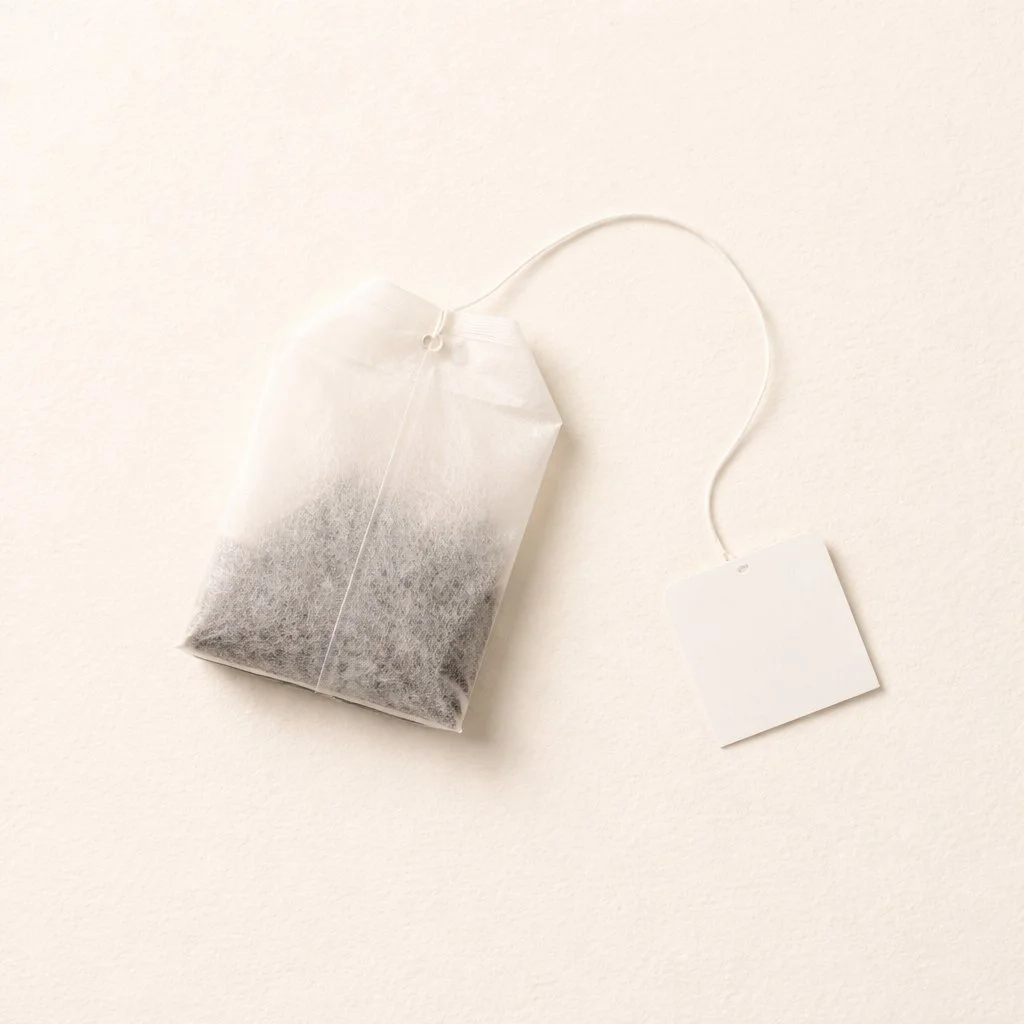
Nanoplastics are even smaller (under 1 micrometer), small enough to bypass biological barriers, enter cells, and reach the cell nucleus.They've infiltrated nearly the entire food system. Microplastics have been found in bottled and tap water, salt, seafood, fruits and vegetables, grains, meat, honey, tea bags, and baby food. They enter products at multiple points along the supply chain: source ingredients, soil and irrigation, processing equipment, packaging, and transport. There is no federal standard in the United States requiring testing or disclosure, and they don't appear on any ingredient label.
They've also been found inside the human body. Recent studies have detected microplastics and nanoplastics in human blood, lungs, liver, placenta, breast milk, testes, arterial plaques, and brain tissue, with brain concentrations rising roughly 50% between 2016 and 2024. Harvard researchers describe them as "sustained-release vehicles"- particles that linger in tissues and slowly release chemical additives like phthalates and bisphenols over the lifetime of the cells they're embedded in. A 2024 study in The New England Journal of Medicine found that patients with microplastics in their arterial plaques were 4.5 times more likely to experience a heart attack, stroke, or death within roughly three years.
Direct causation has not been proven. But the patterns are consistent across multiple body systems, and exposure is cumulative across a lifetime. To learn more about the science, visit our Microplastics page.
-
Membership is a one-time charge per research season. When a new season opens, you decide if you're in.
Member — $20/season. Propose studies, get every Signal Season Release, help unlock more studies.
Investigator — $25/season. Everything in Member, plus voting rights to rank which studies the lab runs each season.
Patron — choose your own amount, anything over $25/season. Everything in Investigator, plus an elevated contribution that directly expands what the community can study.
Americans shouldn't have to wonder what's in their food. Independent lab testing is expensive, and we rely entirely on members like you to keep the science going. Every season, your membership funds new studies and unlocks answers to the questions that matter most.
-
If you'd like a refund, email support@unplasticlabs.com within 7 days of being charged for a research season and we'll take care of it. We see members as partners in this work, not customers. If it's not right for you, we want you to feel good about stepping away.
-
Unplastic Labs is fully independent. No corporate funding, no brand partnerships, no advertisers. Every study is funded by members and directed by members.
Our testing is conducted by accredited third-party laboratories and our own facilities, using established analytical methods for microplastics, PFAS, heavy metals, pesticides, and other contaminants. We publish what we find, clean results and contaminated ones, without filtering for the comfort of any brand.
-
Reliable data is the foundation of everything we do, and we hold our process to the standards that serious analytical work requires.
Every study runs through accredited laboratory analysis using established methods for the contaminant in question. For microplastics, that includes careful sample preparation in contamination-controlled environments, density separation and chemical digestion to isolate particles, and polymer identification using spectroscopic techniques such as µ-Raman or FTIR. We test multiple replicates per product to account for natural variability, and every batch includes procedural blanks and positive controls so any background contamination is caught and corrected for.
We publish methodology details alongside each Season Release of The Signal, so members can see exactly how a result was produced. If you ever have questions about a specific study, we're happy to share more.
One note on interpretation: our research is for informational and educational purposes. It reflects what we measured in specific samples at the time of testing, not a blanket safety judgment on an entire brand or category.
-
Same season, same access. Findings for a research season are published together in The Signal at the end of the cycle, so whether you join on day one or week ten, you'll receive the full season's release when it drops.
Members who join mid-season can propose studies for future research seasons through the portal anytime.
Investigators who join before voting closes can still cast votes on the studies being finalized for the research season.