
Science Corner
This page highlights a selection of peer-reviewed studies on modern environmental contaminants including microplastics, PFAS, heavy metals, endocrine disruptors, and related compounds.
Each entry provides a brief summary of the study's key findings and implications, along with a direct link to the original published paper.
This page is meant to be an open, accessible starting point for anyone who wants to understand the science behind why these chemicals matter. It gives important background for why we do what we do at Unplastic Labs.
(Note: Original laboratory findings and testing results from Unplastic Labs are published exclusively in the members portal, not here.)
Last Updated
02/2026
Microplastics and Nanoplastics in Atheromas and Cardiovascular Events
Published in The New England Journal of Medicine (2024)
Study Summary:
Researchers found microscopic plastic fragments hidden inside the artery plaques of patients needing surgery. People whose plaques had these plastic particles were more likely to have heart attacks, strokes, or die over the next few years. While this doesn’t prove plastics cause heart disease, it suggests environmental pollution could directly affect human cardiovascular health, and encourages further study into how tiny plastics interact with human biology.
Human Consumption of Microplastics
Published in Environmental Science & Technology (2019)
Study Summary:
This study provides one of the first quantitative estimates of how many microplastic particles people may consume through everyday eating and drinking. By synthesizing data from dozens of published measurements across foods, beverages, and water, the authors estimate that the average person may ingest tens of thousands of microscopic plastic particles per year, with annual intake commonly ranging from roughly 39,000 to over 50,000 particles, depending on age, sex, and drinking habits. Individuals who primarily consume bottled water could be exposed to substantially higher levels. While the study does not evaluate health effects directly, it moves the discussion beyond speculation by showing that microplastic exposure is not rare or incidental, but a regular and measurable part of modern life. By clarifying exposure levels, the work establishes a foundation for future research into whether and how these particles may affect human health, an area that remains uncertain and under active investigation.
Bioaccumulation of Microplastics in Decedent Human Brains
Published in Nature Medicine (2025)
Study Summary:
This study provides evidence that microscopic plastic particles, both microplastics and even smaller nanoplastics, can accumulate in human brain tissue. Using multiple advanced detection techniques on post-mortem samples collected in 2016 and 2024, researchers confirmed the presence of these plastic fragments in brain, liver, and kidney tissues, with higher concentrations in the brain than in other organs. The analyses showed that overall microplastic levels in brain tissue were greater in samples from 2024 than in those from 2016, suggesting accumulation over time. In addition, brain samples from individuals with documented dementia contained notably higher levels of plastics, particularly of polyethylene, and some particles appeared embedded within cerebrovascular walls and immune cells. While the study does not establish that these particles cause neurological disease, it shows that plastic particles are measurable in human organs, including the brain, and that their presence is increasing, raising important questions about exposure pathways, biological persistence, and potential health consequences that require further research.
Raman Imaging for the Identification of Teflon Microplastics and Nanoplastics Released from Non-Stick Cookware
Published in Science of the Total Environment (2022)
Study Summary:
This study used advanced Raman imaging combined with new signal-processing algorithms to detect and characterize microplastics and nanoplastics released from scratched non-stick cookware coatings (typically Teflon, a form of polytetrafluoroethylene). By scanning surfaces of different non-stick pots, the authors demonstrated that mechanical abrasion can release thousands to millions of tiny plastic particles, including particles small enough to qualify as nanoplastics, during simulated cooking conditions. The work focused on refining detection methods to identify these particles reliably and estimate their potential release from everyday kitchen use. While the study did not measure human exposure directly or assess health effects, it highlights that common cooking equipment can be a previously under-recognized source of microplastic contamination in food and the environment. Because the particles measured would be ingested if they ended up in food, this research raises important questions about household exposure pathways that have been understudied and need further investigation.
Study Summary:
Per and Polyfluoroalkyl Substances Affect Thyroid Hormones for People with a History of Exposure from Drinking Water
Published in Scientific Reports (2025)
Researchers examined associations between serum PFAS concentrations (individual and mixtures) and thyroid hormone levels in 728 adolescents and adults from communities with past PFAS-contaminated drinking water. Individual PFAS analysis showed a 1% increase in PFUnA associated with a 0.023% decrease in total T3. Mixture analyses (WQS, supervised PCA, BKMR) consistently indicated inverse relationships between PFAS mixtures and total T3, with effects ranging from 1.2% to 2.0% decrease per standard deviation increase, and some positive associations with TSH. These findings suggest PFAS mixtures may disrupt thyroid hormone conversion (T4 to T3) in highly exposed populations, highlighting the need for continued monitoring of exposure sources like food packaging and water.
Study Summary:
Bisphenol A Substitutes and Obesity: A Review of the Epidemiology and Pathophysiology
Published in Frontiers in Endocrinology (2023)
This review synthesizes epidemiological and pathophysiological evidence on BPA substitutes (BPS, BPF, BPAF) and obesity. Population studies show associations between higher urinary levels of these substitutes and increased obesity prevalence in adults and children, with BPS linked to type 2 diabetes and hypertension. Pathophysiologically, BPS activates PPARγ, promotes adipogenesis, and potentiates high-fat diet-induced weight gain, while evidence for BPF and BPAF is more inconclusive. The findings suggest these "BPA-free" alternatives may pose similar obesogenic risks, calling for further research and potential regulation in food contact materials.
Bisphenol S and F: A Systematic Review and Comparison of the Hormonal Activity of Bisphenol A Substitutes
Published in Environmental Health Perspectives (2015)
Study Summary:
This landmark 2015 systematic review, one of the first to compare BPA substitutes directly to BPA, analyzed 32 studies (25 in vitro and 7 in vivo) on the hormonal activity of BPS and BPF. The results showed that BPS and BPF exhibit estrogenic, anti-estrogenic, androgenic, and anti-androgenic effects similar in magnitude and mechanism to BPA, with BPS demonstrating particularly strong membrane-mediated estrogenic activity in some assays. Both substitutes also displayed other physiological effects, such as altered organ weights and enzyme expression. The findings indicate that BPS and BPF are not necessarily safer alternatives to BPA, as they possess comparable endocrine-disrupting potential, highlighting the need for caution when using these substitutes in consumer products like food packaging and receipts.
Heavy metal pollution in the environment and their toxicological effects on humans
Published in Heliyon (2020)
Study Summary:
A review covering environmental entry, fate, pharmacokinetics, and toxicological effects of heavy metals on humans, including bioaccumulation and diseases like cancer.
Toxicity Mechanisms of Five Heavy Metals: Mercury, Lead, Chromium, Cadmium, and Arsenic
Published in Frontiers in Pharmacology (2021)
Study Summary:
This review details how heavy metals in contaminated food and water induce oxidative stress, enzyme inhibition, and DNA damage, leading to neurological disorders, kidney failure, and increased cancer risk in both animals and humans. Bioaccumulation through the food chain amplifies effects, emphasizing the importance of reducing environmental sources for long-term health protection.
Phthalates and Their Impacts on Human Health
Published in Healthcare (2021)
Study Summary:
This review of 100+ studies shows phthalates from food packaging migrate into fatty foods and beverages, leading to endocrine disruption, reduced fertility, and increased obesity/diabetes risk, especially in children. Daily intake often exceeds safe limits, calling for alternatives in packaging to minimize chronic exposure and health impacts.
Translocation of Phthalates From Food Packaging Materials Into Minced Beef and Associated Human Exposure
Published in Frontiers in Nutrition (2022)
Study Summary:
This study detected phthalates like DnBP leaching from common packaging into beef, exceeding EU limits in some cases, and linked to endocrine effects like hormone imbalance and reproductive toxicity. Human exposure estimates showed risks for regular consumers, underscoring the need for safer packaging materials.
Invisible Invaders: Unveiling the Carcinogenic Threat of Microplastics and Nanoplastics in Colorectal Cancer
Published in Frontiers in Public Health (2025)
Study Summary:
This review shows microplastics act as carriers for toxins like heavy metals and phthalates, triggering chronic inflammation in gut tissues and increasing colorectal cancer risk through oxidative stress and immune disruption. Human studies correlate higher microplastic exposure with elevated inflammation markers, calling for reduced plastic pollution to mitigate cancer burdens.
Study Summary:
Association of Mixed Exposure to Microplastics with Sperm Dysfunction: A Multi-Site Study in China
Published in eBioMedicine (2024)
This multi-site study of 1,000+ men found higher semen microplastic levels linked to reduced sperm motility and count, with inflammation and oxidative stress as key mechanisms. It calls for further research on male fertility impacts from everyday exposure.
Study Summary:
Microplastics in the Food Chain
Published in Life (2021)
This review tracks microplastics from environmental sources like wastewater and agriculture into seafood, salt, and produce, with bioaccumulation in fish and shellfish leading to human ingestion. It emphasizes the food chain as a major exposure route, urging global monitoring to protect public health.
Additional Resources
Podcast: Plastics in Our Bodies – What Does That Mean for Our Health?
Harvard Gazette / Harvard Thinking Podcast (October 2024)
In this episode of the Harvard Thinking podcast, experts discuss the growing evidence of microplastics and nanoplastics in human tissues — from blood and organs to the brain — and explore what current research suggests about potential health implications. The conversation covers exposure sources (food, water, air), how these particles may interact with our biology, and why more independent investigation is needed. It’s a thoughtful, evidence-based overview.
Intro to Phthalates by Harvard Professor
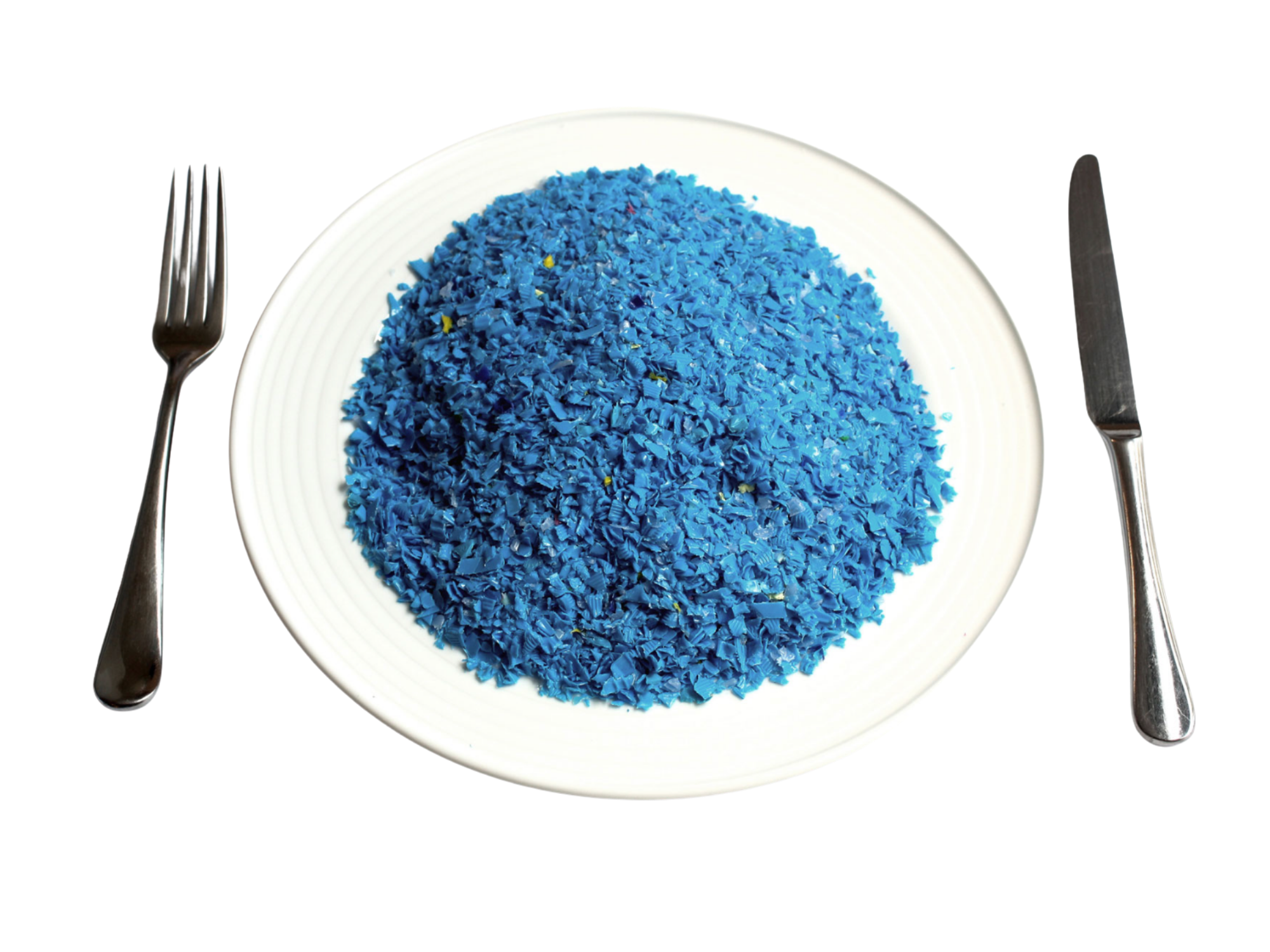
See Visualization of Plastic Consumption Numbers
Get in
Touch
Unplastic Labs is a member-funded laboratory uncovering modern contaminants in the food and drinks we consume every day: microplastics, PFAS, heavy metals, and other emerging threats. This is transparent, consumer-led science looking for answers.
WHO WE HEAR FROM
Members and Curious Individuals
Questions about a product, suggestions for what to test next, or ready to join the community.
Brands & companies
We've tested your product and you want to understand the results, ask questions, or get science-backed guidance on reducing contaminants at the source.
Collaborators & press
Research partnerships, media inquiries, or ideas for advancing the mission.
We typically respond the same day or next business day.
Hours
Monday-Friday
10am-6pm EST
(4pm-12am CET, Amsterdam)
Independent Testing
Member-funded.
No advertiser relationships.
Phone
+1 404 330 7970
US Line
WhatsApp Available